
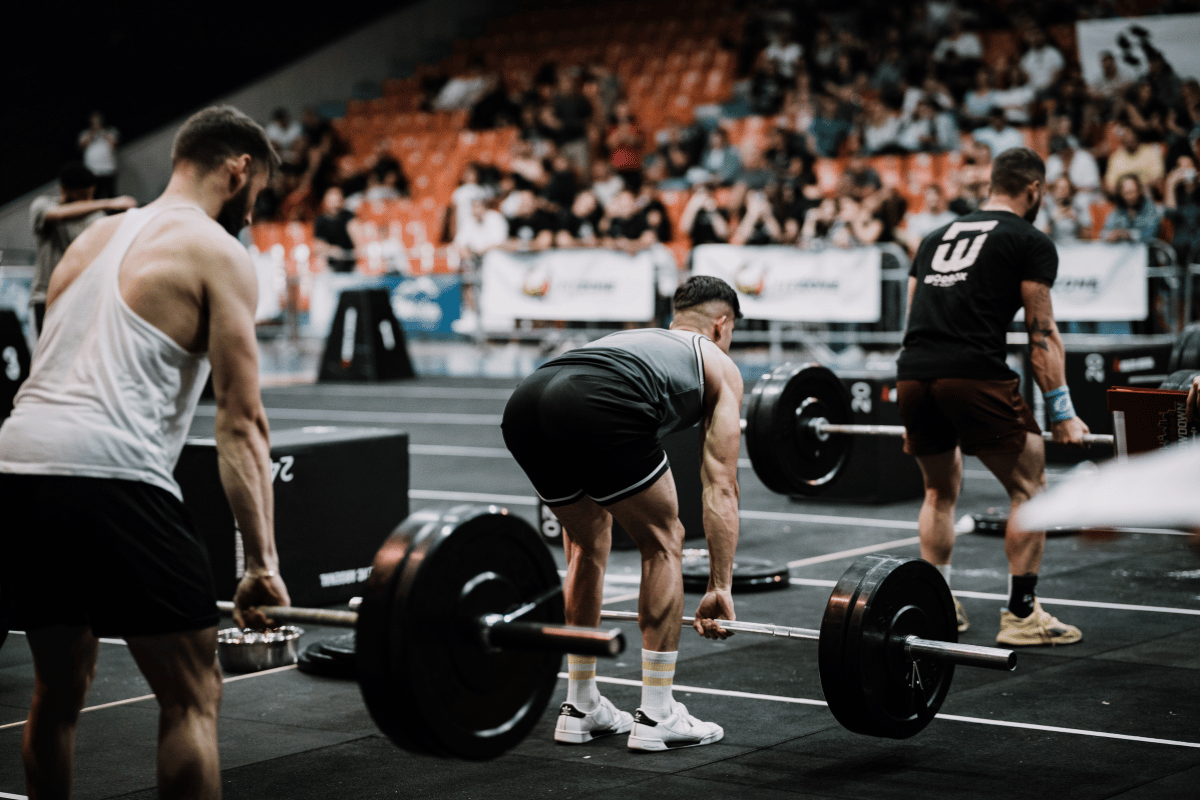
Zinc is everywhere in the testosterone conversation. It is in nearly every testosterone booster on the shelf, recommended in countless articles, and widely believed to be a reliable way to raise your levels. But does zinc really boost testosterone, or is it just another oversold supplement claim? The honest answer, based on the actual research, is more interesting and more useful than either the hype or the cynicism suggests. Zinc has a genuine, well-documented effect on testosterone, but only under specific conditions. Understanding those conditions tells you exactly whether zinc will help you or do nothing at all. This guide cuts straight to what the evidence actually shows.
Quick Summary
Zinc genuinely affects testosterone, but it boosts levels mainly in men who are zinc-deficient, not in those who already have enough. The research is clear: severe zinc deficiency can reduce testosterone by up to 75%, and correcting that deficiency substantially restores it, in one landmark study, supplementing zinc-deficient older men roughly doubled their testosterone. However, studies on men with adequate zinc show little to no testosterone benefit from extra zinc. So zinc is best understood as a deficiency corrector, not a universal testosterone booster. This still matters because zinc deficiency is common, especially in active men who sweat heavily and in hot climates like Pakistan. Typical supplemental doses are 15 to 30mg per day.
The Short, Honest Answer
Let us settle the core question immediately, because you deserve a straight answer.
Does zinc boost testosterone? Yes, but conditionally. Zinc is essential for testosterone production, and when you are deficient, your testosterone suffers, sometimes dramatically. Correcting that deficiency restores your testosterone. This is a real, well-documented effect.
But here is the crucial part that most marketing leaves out: if your zinc levels are already adequate, taking more zinc does very little for your testosterone. Zinc gives back what deficiency takes away; it does not push your testosterone above its normal healthy range.
So the right question is not “does zinc boost testosterone?” but “am I zinc deficient?” If you are, zinc can help meaningfully. If you are not, it will not do much for your testosterone, though it still supports immunity and other functions. The rest of this guide explains the evidence behind that answer and helps you work out which group you are in. For the broader context, read our detailed guide on how to increase testosterone naturally.
How Zinc Affects Testosterone (The Mechanism)
Understanding why zinc matters helps explain why deficiency is so damaging and why correcting it works.
Zinc is a trace mineral that acts as an essential cofactor in the enzymatic reactions that produce testosterone. In plain terms, your body physically cannot manufacture testosterone efficiently without enough zinc present. The mineral is concentrated heavily in the testes, the site of testosterone production, which signals just how central it is to the process.
Specifically, zinc supports the function of the Leydig cells in the testes, which are the cells that actually produce testosterone. It is involved in converting cholesterol into testosterone precursors and in the steroidogenic pathway that creates the hormone. When zinc is scarce, these processes are impaired, the Leydig cells do not function properly, and testosterone production falls.
Zinc also plays a role in the broader hormonal system and in keeping other hormones in balance. This is why a genuine zinc deficiency has such an outsized effect on testosterone: you are removing a required ingredient from the production line. For the foundational science, read our detailed guide on how protein influences hormonal balance.
What the Key Studies Actually Found
The evidence for zinc and testosterone is genuinely strong, but it is important to understand exactly what it shows.
The Landmark Prasad Study (1996)
The most important research comes from a 1996 study by Prasad and colleagues, and its findings are striking. The researchers did two things. First, they deliberately induced a mild zinc deficiency in healthy young men and watched their testosterone drop by approximately 75% over 20 weeks. Second, they supplemented zinc-deficient older men and saw their testosterone rise substantially, from about 8.3 to 16.0 nmol/L over six months, roughly doubling it.
This study is the foundation of zinc’s reputation, and for good reason: it clearly demonstrated that zinc is essential for testosterone and that correcting a deficiency restores levels. Both halves of the study point the same way.
The 2023 Systematic Review
A more recent systematic review examined 38 studies on the relationship between zinc and testosterone. It concluded that zinc deficiency reduces testosterone by damaging the Leydig cells and impairing the enzymatic conversion of steroid precursors, and that supplementation restores testosterone in deficient individuals, with the size of the effect depending on how deficient you were to begin with.
One honest caveat worth noting: of those 38 studies, only 8 were human clinical trials, with the remaining 30 being animal studies. The human evidence is consistent but not enormous, which is a reason for measured rather than extravagant claims.
The Pattern Is Clear
Across the research, the pattern is remarkably consistent: zinc’s testosterone benefit is real but entirely tied to correcting a deficiency. The next section explains why that distinction matters so much for you.
Why Zinc Only Works If You’re Deficient
This is the single most important thing to understand about zinc and testosterone, and it is where most supplement marketing is misleading.
The Deficiency-Dependent Effect
The evidence consistently shows that zinc raises testosterone only when it is correcting a shortfall. Studies on men who already have adequate zinc status show minimal to no testosterone benefit from additional supplementation. One trial, for example, tracked resistance-trained men with normal zinc levels through eight weeks of supplementation and found no significant testosterone increase.
Think of it like filling a car with petrol. If your tank is empty, adding fuel lets the car run again, a dramatic difference. But if your tank is already full, adding more fuel does not make the car go faster; it just overflows. Zinc works the same way for testosterone: it restores function when you are low, but does not supercharge it when you are already sufficient.
Why the ZMA Studies Confirm This
The popular ZMA supplement (zinc, magnesium, and vitamin B6) tells the same story. The original ZMA study showed testosterone benefits in college athletes, but an independent replication in men with adequate mineral levels found no effect. The most likely explanation is that the original athletes were zinc-deficient from heavy training and sweating, so ZMA corrected a genuine deficiency, while the replication participants already had enough. For the full breakdown of the mineral combination, read our detailed guide on zinc and magnesium for testosterone.
The Practical Implication
This means the honest, useful question is not whether zinc “works” in the abstract, but whether you personally are deficient. If you are, zinc is genuinely valuable. If you are not, your money and effort are better spent elsewhere, on the fundamentals that actually move testosterone for everyone.
Are You Likely Zinc Deficient?
Since the entire benefit hinges on deficiency, the practical question becomes: are you likely low on zinc? For many men, particularly in Pakistan, the answer is quite possibly yes.
Risk Factors for Zinc Deficiency
Heavy sweating: Zinc is lost through sweat. Men who train hard, do physical work, or simply live in a hot climate like Pakistan lose more zinc and are more prone to deficiency.
Diet low in animal protein: Zinc is most abundant and best absorbed from meat and shellfish. Vegetarian and vegan diets, or diets heavy in refined carbohydrates and light in zinc-rich foods, increase deficiency risk. Plant zinc is also less well absorbed due to compounds called phytates.
High physical demand: Athletes and highly active men have higher zinc requirements and are more likely to fall short.
Certain conditions: Digestive conditions that impair absorption, and some medications, can lower zinc status.
Signs of Possible Zinc Deficiency
Possible signs of zinc deficiency include frequent infections or slow recovery from illness (zinc is crucial for immunity), poor wound healing, hair thinning, loss of appetite or altered taste, slow recovery from training, and, relevant here, symptoms associated with low testosterone such as fatigue and low drive. These signs are non-specific, so the only way to confirm deficiency is a blood test. If you suspect you are deficient and have symptoms, a doctor can check your levels. Read our detailed guide on signs of low testosterone in men.
How Much Zinc to Take and the Best Forms
If you are addressing a likely deficiency, here is the evidence-based guidance.
Dosage
Most adult men need around 11mg of zinc per day from all sources. For supplementation to correct a shortfall, the typical range is 15 to 30mg of elemental zinc per day.
Do not exceed 40mg per day long-term without medical guidance. Excess zinc interferes with your body’s absorption of copper, which can cause its own problems, which is why quality testosterone and mineral formulas include a small amount of copper to balance it. More zinc is not better; the goal is correcting a deficiency, not megadosing.
Best Forms
Some forms of zinc are better absorbed than others. Well-absorbed forms include zinc picolinate, zinc citrate, zinc monomethionine, and zinc gluconate. Avoid cheap zinc oxide, which is poorly absorbed. A quality supplement will specify a well-absorbed form.
Timing
Take zinc with food to avoid the stomach upset it can cause on an empty stomach. Avoid taking it at the same time as high-dose calcium or iron supplements, which can compete for absorption. A combined zinc and magnesium supplement is a convenient, cost-effective way to cover both minerals, with the magnesium also supporting sleep. Browse the zinc and magnesium at The Protein Factory.
Expectations
If you are deficient, improvements typically appear over 4 to 8 weeks of consistent supplementation. If you are already zinc-sufficient, do not expect a testosterone increase, the value then is simply insurance against future deficiency and zinc’s other benefits for immunity and recovery.
Best Food Sources of Zinc
Food first is always ideal, with supplements filling genuine gaps. Here are the best dietary sources of zinc.
Top Animal Sources
Shellfish: Oysters are by far the richest natural source of zinc. Other shellfish like crab and shrimp are also high.
Red meat: Beef and mutton are excellent, well-absorbed sources, central to many Pakistani meals.
Poultry: Chicken and turkey provide good amounts.
Eggs and dairy: Contribute moderate, well-absorbed zinc.
Plant Sources (Less Absorbable)
Nuts and seeds: Pumpkin seeds, cashews, and almonds. Pumpkin seeds are particularly good.
Legumes: Chickpeas (chana), lentils (daal), and beans. Soaking and sprouting improves zinc absorption by reducing phytates.
Whole grains: Contribute zinc, though phytates limit absorption.
For Pakistani Eaters
The traditional Pakistani diet, rich in red meat, chicken, daal, and chana, can provide good zinc if these feature regularly. The risk comes with diets heavy in refined carbs (white rice, white flour) and light in meat and legumes, combined with heavy sweating in the heat. If that describes you, a supplement is a sensible, low-cost safeguard. Combine with adequate protein and healthy fats for overall hormone support. Browse the range of protein powders at The Protein Factory.
Zinc in the Bigger Picture
Remember that zinc is one piece of testosterone health. The biggest levers remain losing excess body fat, quality sleep, resistance training, and managing stress. For a comprehensive formula that includes clinically dosed zinc alongside other evidence-backed ingredients, read our TestoBoost Extreme review, and for honest comparisons, see the best testosterone boosters in Pakistan.
Frequently Asked Questions
Does zinc really boost testosterone?
Zinc boosts testosterone mainly in men who are zinc-deficient, not in those who already have adequate levels. The research is clear: severe zinc deficiency can reduce testosterone by up to 75%, and correcting it substantially restores levels. But studies on men with adequate zinc show little to no testosterone benefit from extra zinc. So zinc corrects a deficiency rather than universally boosting testosterone. This still matters because deficiency is common, especially in active men and hot climates like Pakistan. Read our detailed guide on how to increase testosterone naturally.
How much can zinc increase testosterone?
It depends entirely on how deficient you are. In the landmark Prasad study, supplementing zinc-deficient older men roughly doubled their testosterone (from about 8.3 to 16.0 nmol/L over six months), and inducing deficiency in young men cut their testosterone by around 75%. These are large effects, but they occur in deficient individuals. In men who already have adequate zinc, the increase is minimal to none. The size of any benefit is directly tied to your starting zinc status.
How do I know if I’m zinc deficient?
The only way to confirm zinc deficiency is a blood test, as the signs are non-specific. Possible indicators include frequent infections, slow wound healing, hair thinning, loss of appetite or altered taste, poor recovery from training, and low-testosterone-type symptoms like fatigue. Risk factors include heavy sweating (common in Pakistan’s heat and in athletes), a diet low in meat and shellfish, vegetarian or vegan diets, and high physical demand. If you suspect deficiency, ask your doctor for a test. Read our detailed guide on signs of low testosterone in men.
How much zinc should I take for testosterone?
For correcting a likely deficiency, the typical supplemental range is 15 to 30mg of elemental zinc per day, on top of the roughly 11mg most men need from food. Do not exceed 40mg daily long-term without medical guidance, as excess zinc interferes with copper absorption. Choose a well-absorbed form like zinc picolinate, citrate, or monomethionine, and take it with food. A combined zinc and magnesium supplement conveniently covers both minerals. Browse the zinc and magnesium at The Protein Factory.
Will zinc boost my testosterone if my levels are already normal?
Probably not meaningfully. The evidence consistently shows that zinc raises testosterone only when correcting a deficiency. If your zinc status is already adequate, extra zinc does little for your testosterone, though it still supports immunity, wound healing, and other functions. This is why the useful question is whether you are deficient, not whether zinc “works” in general. If you are already zinc-sufficient, the bigger testosterone levers are weight loss, sleep, resistance training, and stress management.
What foods are highest in zinc?
Oysters are by far the richest source, followed by other shellfish, red meat (beef, mutton), and poultry. Eggs and dairy provide moderate amounts. Plant sources include pumpkin seeds, cashews, almonds, chickpeas, and lentils, though plant zinc is less well absorbed due to phytates (soaking and sprouting helps). For Pakistani eaters, a diet with regular red meat, chicken, daal, and chana provides good zinc. Diets heavy in refined carbs and light in these foods are more likely to fall short.
Is it safe to take zinc every day?
Yes, daily zinc supplementation within the recommended range (15 to 30mg) is safe for most healthy adults. The main caution is not exceeding 40mg per day long-term without medical guidance, as excess zinc interferes with copper absorption and can cause deficiency in that mineral. This is why quality formulas include a small amount of copper. Take zinc with food to avoid stomach upset, and if you have a medical condition or take medication, consult a doctor first.
Should I take zinc alone or with magnesium?
Both approaches work, and combining them is convenient and sensible. Zinc handles the testosterone-production side, while magnesium helps free up bound testosterone and supports sleep and stress management, both lost through sweat and both commonly deficient in active men. A combined zinc and magnesium supplement covers both for a low cost. For the full comparison of the two minerals, read our detailed guide on zinc and magnesium for testosterone.
The Bottom Line
So, does zinc really boost testosterone? The honest, evidence-based answer is: yes, but only if you are deficient. Zinc is genuinely essential for testosterone production, and the research is clear that a deficiency can slash your levels by up to 75%, while correcting it can restore them substantially. But the same research is equally clear that taking extra zinc when you already have enough does little for your testosterone. Zinc is a deficiency corrector, not a magic booster.
This honest framing is actually good news for many Pakistani men, because zinc deficiency is common here, driven by heavy sweating in the heat and diets that can run low in zinc-rich foods. If that describes you, correcting your zinc has real value. Aim for 15 to 30mg of a well-absorbed form, get zinc from red meat, chicken, and legumes where you can, and remember that zinc is one supporting piece alongside the bigger levers of body fat, sleep, training, and stress. Browse the zinc and magnesium at The Protein Factory, read our full guide on how to increase testosterone naturally, and if you suspect a deficiency or have symptoms of low testosterone, see a doctor for proper testing.
